
Go Green: Why Eco-Friendly Branded Merchandise Is the New Standard

A Good Spring Clean for Your Office: Why It Matters
April 10, 2026
Grill, Chill, & Build: How to Create the Perfect Office Cookout
May 14, 2026
Branded merchandise has always been a powerful tool for companies that are looking to make lasting impressions. A well-chosen promotional item will either rest on a desk, ride in a bag, or be worn in public, serving as a quiet, constant ambassador for your brand. In recent years, however, a significant shift has taken place in this sector. Consumers no longer want products that just carry your logo; they want products that represent your values.
These days, one value towers above the rest: sustainability. As people grow more attuned to the environmental costs of what they buy and who they buy from, the demand for eco-friendly branded merchandise has moved from a niche preference to a mainstream desire.
Eco-conscious consumers are rewriting the rules of brand loyalty — and the promotional products industry is catching up fast. Here’s what you need to know to stay ahead.
What Does Sustainability Actually Mean?
In the context of branded merchandise, sustainability isn’t a single attribute. It’s a lens applied across an entire product lifecycle. It encompasses carbon emissions generated during manufacturing, water consumed in production, end-of-life recyclability, and the ethical sourcing of raw materials. At its core, sustainability means meeting today’s needs without depleting the resources future generations will rely on.
For brands that will translate into real, operational decisions and questions. These include the following:
- Where do your materials come from?
- How are your products packaged?
- Who manufactures them, and under what conditions?
- How far do they travel to reach your customers?
A truly sustainable approach doesn’t cherry-pick one of these factors. It considers all of them together.
What to Look for When Seeking Sustainable Swag
With each passing year, there are more ways to incorporate sustainable practices into your choices for promo products. Consider the following as good guides:
Recycled Materials
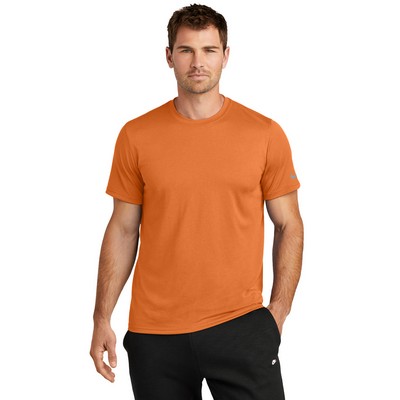
Single-use plastics are finding a second life by being recycled into performance fabrics, bags, pens, and accessories. Clothing options made from recycled polyester, such as Recycled Polyester Eco-Friendly T-Shirts, have become a flagship example of circular thinking in branded apparel. Offering products like these will send a clear, tangible signal that your brand takes resource stewardship seriously.
Biodegradable & Natural Materials
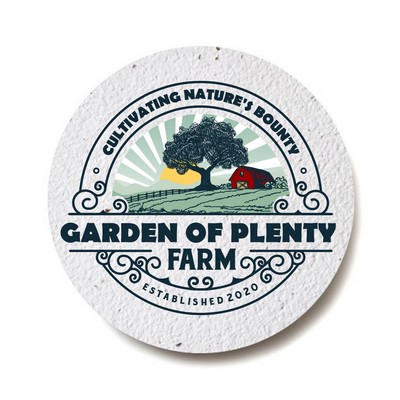
Products made from organic cotton, bamboo, hemp, jute, and compostable kraft paper decompose naturally without leaving toxic residues behind. These materials are increasingly available across a wide range of promotional categories — from apparel and tote bags (like this jute recyclable grocery tote bag) to packaging and paper goods like the Bloomin Seed Paper Coaster.
Reusable & Durable Goods
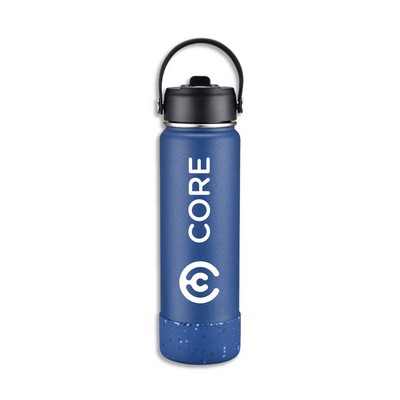
The most sustainable products are the ones that will rarely end up in a landfill. Reusable water bottles, quality tote bags, and long-lasting apparel items reduce waste by design. When your branded merchandise is genuinely useful and built to last, recipients keep it — and your brand stays visible longer. Some solid contenders in this category are BPA-Free Reusable Water Bottles.
Core Practices for Sustainable Merchandising
Beyond the actual items you choose, being sustainable means considering where those items came from, how they were made, and where they go when they are no longer useful.
- Responsible sourcing: Prioritize suppliers with transparent, ethically managed, and eco-certified supply chains.
- Minimal packaging: Reduce waste by using recycled or minimalist packaging materials throughout distribution.
- Circular design: Choose products engineered to be recycled or composted at the end of their useful life.
- Certifications: Look for GOTS (Global Organic Textile Standard) and OEKO-TEX labels as reliable benchmarks.
From Throwaway Swag to Meaningful Merchandise
The fact is that promotional products have historically suffered from a reputation problem: cheap, disposable items that end up in a drawer — or a landfill — within weeks. That reputation is both a challenge and an opportunity. Brands that invest in quality, sustainable merchandise actively counter this perception. They signal to clients, employees, and prospects that their values extend beyond the boardroom.
Environmental responsibility is no longer a corporate extra. For businesses of all sizes, integrating eco-friendly practices into branded merchandise strategy is becoming an expectation — not a differentiator. The good news is that the market for sustainable promotional products has never been more diverse, more accessible, or more impressive in quality.
Guernsey can help you find the perfect eco-friendly promotional options for your clients, customers, and employees that help you shrink your environmental footprint while still ensuring your brand grows.